
Canadian Businesses Are Pivoting Away from U.S. Reliance
Trade tensions and declining export volumes are pushing Canadian businesses to diversify beyond the U.S. market. Here is what that shift looks like, and how government-backed financing programs can help fund international expansion.
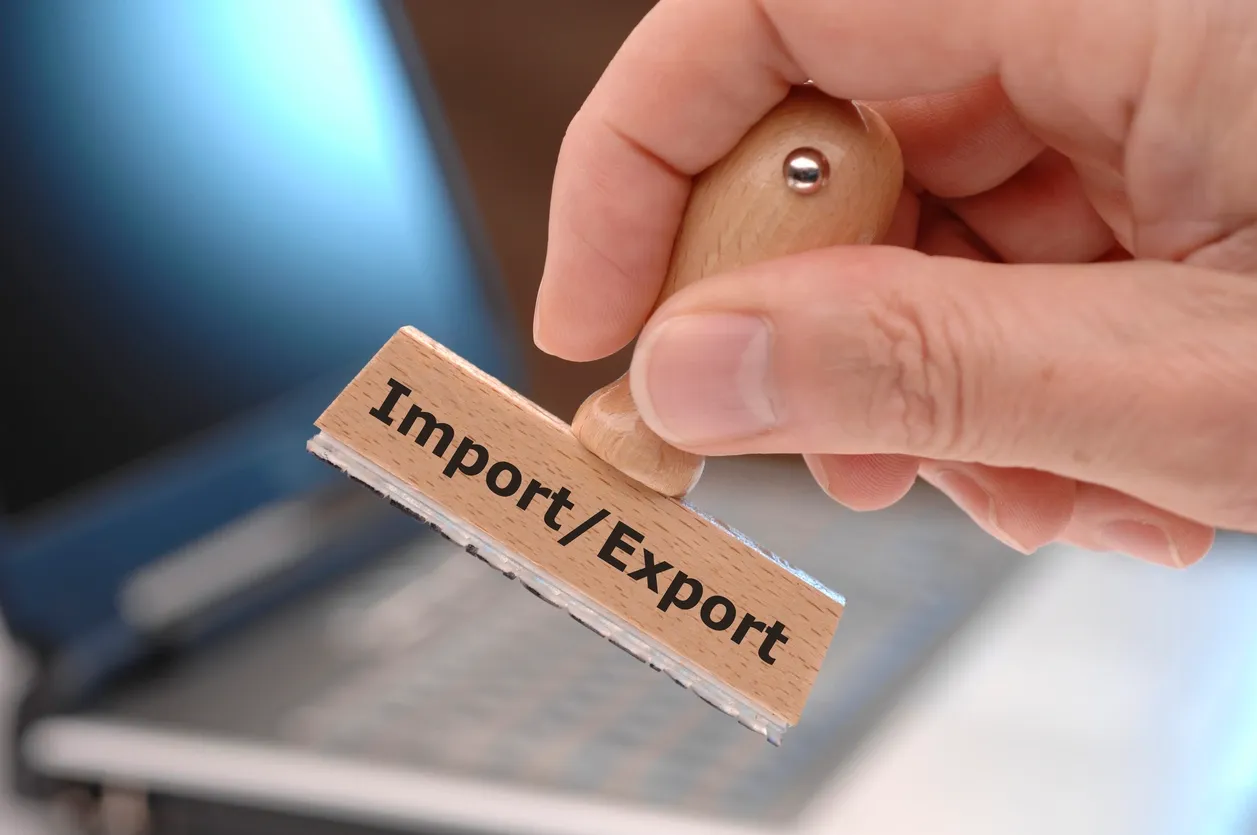
A shifting trade landscape for Canadian exporters
It is a challenging period for Canadian exporters. Export volumes have seen their sharpest decline since 2009, excluding the pandemic years, as trade tensions with the United States continue to intensify.
For decades, the U.S. has been Canada's most dependable trading partner. But that certainty is fading. Many Canadian businesses, manufacturers, wholesalers, and service exporters alike, are now actively looking beyond the U.S. to diversify their revenue base, strengthen resilience, and tap into new global opportunities.
The businesses that adapt early will be best positioned to compete in a more diversified global market.
The case for expanding beyond familiar markets
To grow sustainably, Canadian companies must explore new markets, building fresh relationships, developing export channels, and identifying new customers for Canadian products and services. International diversification reduces concentration risk and creates new revenue streams that are not exposed to a single trading relationship.
However, international expansion comes with important practical questions:
- How do we identify and develop new markets with confidence?
- Can we rely on unfamiliar overseas buyers to pay, and how do we manage that risk?
- How do we navigate language, cultural, and regulatory differences?
- How can we finance international expansion without overextending the business?
Government-backed support for international growth
The good news is that substantial support is available to help eligible Canadian businesses take the next step internationally. Several government-backed programs are designed specifically to reduce the financial and commercial risk of expanding into new markets.
Export expansion financing
The Government of Canada can guarantee a significant portion of a loan used for eligible overseas expansion activities, including developing new international markets or acquiring foreign subsidiaries. This can reduce the cost and risk of accessing capital for growth initiatives that fall outside standard domestic lending criteria.
Receivables protection
Payment guarantees may be available on eligible overseas receivables, protecting Canadian exporters against non-payment, political risk, and contract cancellations. For businesses extending credit terms to international buyers, this kind of protection can make the difference between a viable export relationship and an unacceptable risk.
Performance and customs guarantees
Eligible businesses may be able to access government-backed guarantees for customs duties, rent obligations, and performance bonds required in international contracts. Importantly, these guarantees are often structured so that they do not impact existing security arrangements, preserving your borrowing capacity for other financing needs such as a working capital line of credit or a term loan.
Navigating program complexity with the right advisor
As with many government programs, these initiatives come with eligibility criteria, application requirements, and administrative complexity. Not every business will qualify for every program, and the rules can change. Partnering with an experienced trade finance advisor can make a significant difference, both in identifying the right programs and in structuring an application that maximises your chances of approval.
The right advisor also helps you see the full picture: which programs stack well together, how international financing interacts with your existing domestic facilities, and where the gaps in your current structure are.
Ready to grow beyond the U.S.?
At McMillan Capital Partners, we work with Canadian businesses navigating international expansion, from structuring trade finance to accessing government-backed programs and managing cross-border risk. If your business is ready to diversify beyond the U.S. market, we can help you map the path from strategy to funding.
Speak with the McMillan Capital Partners team today to explore your international trade finance options.
Common questions
Several government-backed programs can help eligible Canadian exporters fund international expansion, including loan guarantees for overseas market development, receivables protection against non-payment by foreign buyers, and guarantees for customs and performance bonds. Eligibility criteria apply, and working with an experienced trade finance advisor can help you identify the right programs for your situation.
Government-backed receivables protection programs may be available for eligible overseas sales, covering non-payment, political risk, and contract cancellations for up to 180 days. Invoice factoring can also provide an alternative route to converting international receivables into working capital without waiting for payment.
In many cases, government-backed performance and customs guarantees are structured so they do not consume your existing security arrangements, preserving your borrowing capacity for domestic working capital and other financing needs. An advisor can help you understand how different programs interact with your current facilities.
You do not have to navigate this alone.
A short, confidential conversation is the fastest way to understand your real options, and to avoid signing a loan that works against you. No obligation, no upfront cost.
Keep reading
Last resort borrowing - get advice before you sign
When your bank says no, the wrong loan can sink your business. Here is how to read the fine print, avoid onerous terms, and choose a facility that actually supports your strategy.
Read moreSubordinated Lenders: How Do They Work?
Most lenders want first position, but not all of them need it. Here is how second-position and subordinated lending works, why it exists, and how Canadian businesses use it to access capital without disturbing their existing bank facility.
Read more