
How to structure equipment finance for tax
A practical look at lease vs. loan vs. hire-purchase for Canadian operators.
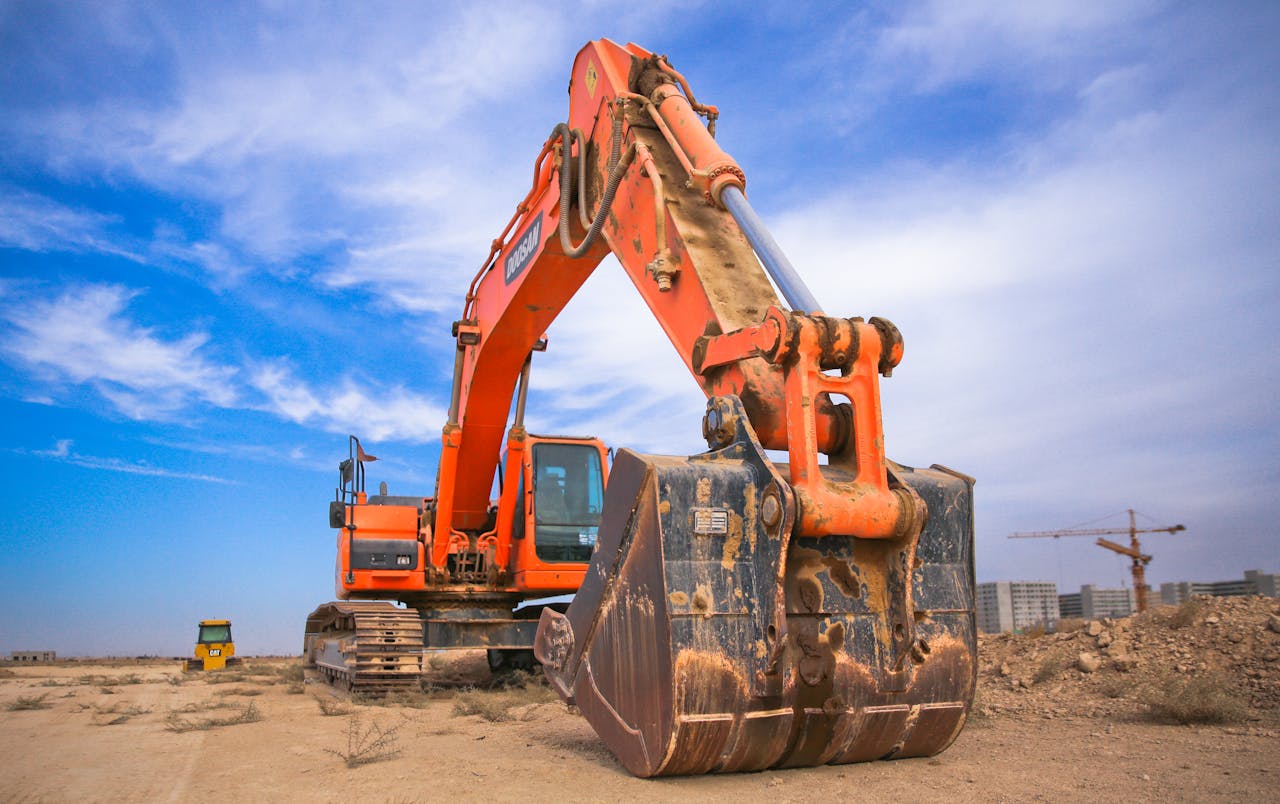
Equipment decisions are rarely just equipment decisions.
A truck, machine, production line, diagnostic tool, software-connected asset, or piece of heavy equipment can affect cash flow, taxes, credit capacity, and future borrowing power. The mistake many Canadian businesses make is treating equipment finance as a simple rate comparison.
Rate matters. But structure matters more.
The right question is not, "Which lender gave me the lowest payment?" The better question is, "Which structure gives the business the equipment it needs, preserves working capital, and creates the cleanest tax and accounting outcome?"
That answer depends on whether the business should lease, borrow, use a conditional sale or lease-to-own structure, or preserve borrowing capacity for something else.
Lease, loan, or purchase structure?
In plain English, there are three common ways to think about equipment finance.
A loan usually means the business buys the equipment and borrows against it. The company owns the asset, makes loan payments, and generally deals with tax treatment through interest deductibility and capital cost allowance.
A lease usually means the business pays for the use of the equipment over time. Depending on the lease structure, the business may or may not own the asset at the end.
A hire-purchase or lease-to-own style structure is more common language in other markets, but Canadian operators will often see similar ideas described as conditional sales contracts, capital leases, finance leases, or lease-to-own arrangements. The exact legal and tax treatment depends on the paperwork, not just the sales language.
Structure should be reviewed before signing, not after.
The tax basics Canadian owners need to understand
For Canadian tax purposes, lease payments incurred for property used in the business may generally be deductible, subject to applicable rules and exceptions.
When a business buys depreciable property, such as equipment, the cost is typically not treated the same way as a regular operating expense. Instead, the deduction is usually claimed over time through capital cost allowance, commonly called CCA.
For borrowed money, the interest component may be deductible when it meets the relevant requirements, but the principal portion of a loan payment is not deducted the same way.
That means two financing options with similar monthly payments can create different tax timing, cash-flow timing, and balance-sheet outcomes.
This is also why your accountant should be involved before the deal closes, not after.
Do not let the tax tail wag the dog
Tax efficiency is important, but it should not be the only driver.
The best equipment finance structure starts with the business case.
Will the equipment increase production? Reduce labour? Replace rented equipment? Improve margins? Open a new contract? Create reliability? Reduce downtime? Extend service capacity?
If the equipment does not generate cash flow, a tax benefit will not save the deal.
A good lender or finance advisor should first understand the operating reason for the equipment. Then the structure can be shaped around the useful life of the asset, expected revenue, seasonal cash flow, warranty period, replacement cycle, and resale value.
Match the term to the asset
One of the oldest rules in commercial finance is still one of the best: do not finance a short-life asset over a long-life term.
If the equipment will be obsolete, worn out, or replaced in three years, a seven-year structure may make the payment look comfortable but create a problem later. The business could still be paying for an asset that is no longer productive.
On the other hand, if the equipment has a long useful life and strong resale value, a longer amortization may make sense because it preserves cash while the asset continues to earn.
The right structure balances monthly affordability with economic reality.
Where government-backed financing may fit
For smaller Canadian businesses, the Canada Small Business Financing Program can also be part of the discussion. The federal program is designed to help small businesses access financing by sharing risk with lenders.
That does not mean every equipment purchase fits the program. It does mean business owners should ask whether a government-backed structure is available before assuming the bank's first answer is the only answer.
The bottom line
Equipment finance is not just about getting approved.
It is about choosing a structure that fits the asset, the tax treatment, the repayment source, and the company's next stage of growth.
A lease may be better when preserving cash flow and matching payments to use matters most. A loan may be better when ownership, long useful life, and CCA planning are important. A conditional sale or lease-to-own structure may make sense when the business wants eventual ownership but needs payment flexibility.
The right answer depends on the asset, the business, and the plan.
Before signing for equipment, review the structure with an advisor. A small change in documentation, term, or repayment design can make a major difference to cash flow and tax planning.
This article is general information only and is not tax, legal, or accounting advice. Business owners should confirm tax treatment with a qualified CPA before entering into any financing agreement.
You do not have to navigate this alone.
A short, confidential conversation is the fastest way to understand your real options, and to avoid signing a loan that works against you. No obligation, no upfront cost.